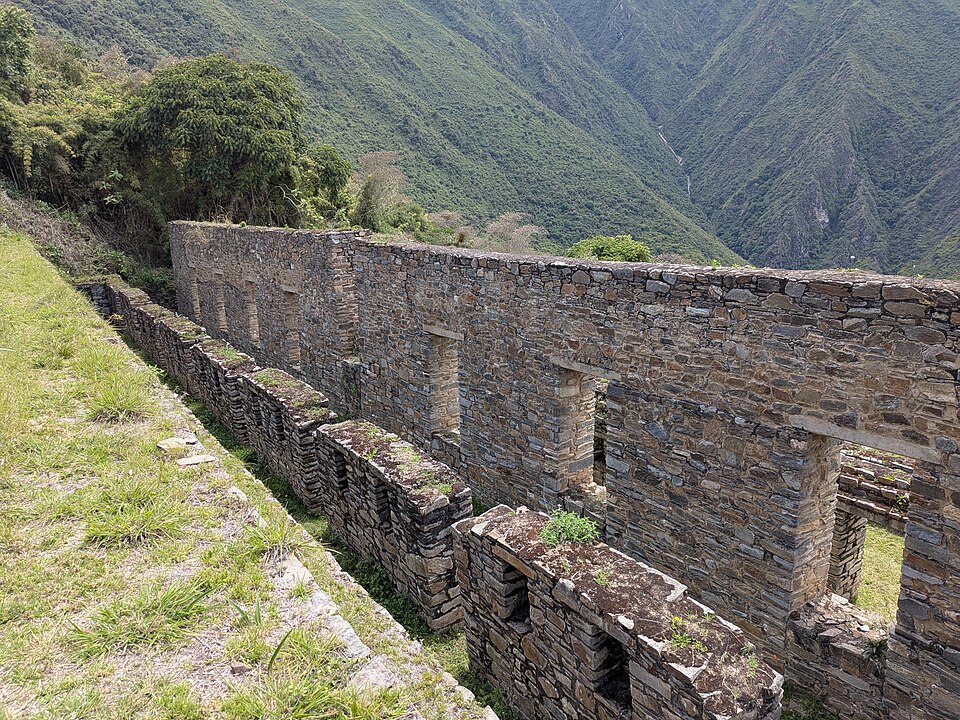
Hidden deep within the Vilcabamba mountain range, Choquequirao is an ancient Incan city that rivals Machu Picchu in scale and engineering. Accessible only by a demanding multi-day trek, this remote archaeological site receives a fraction of the visitors its famous sister sees. Built in the 15th and 16th centuries, the "Cradle of Gold" served as an administrative hub and ceremonial center. Today, with only about 30% of the site excavated from the dense cloud forest, it remains a pristine and mysterious Peru destination for serious adventurers.
Top Activities
1. The Deep Canyon Trek
The journey to the ruins is an adventure in itself. The classic route plunges into the depths of the Apurímac Canyon, one of the deepest in the world.
- The Descent: Hikers drop 1,500 meters (4,900 feet) from the Capuliyoc viewpoint down to the rushing Apurímac River.
- The Ascent: The trail immediately climbs 1,800 meters back up the opposite canyon wall into the lush cloud forest to reach the citadel.
2. Exploring the Llama Terraces
Unlike other Incan sites, Choquequirao features unique stonework where white quartz rocks are embedded into the agricultural terraces to form the shapes of llamas. These figures honor the pack animals crucial to the empire's survival and are located in a steep sector that requires navigating narrow, ancient stairs.
3. Sunset at the Ceremonial Plaza
Because the site is so expansive and sees so few daily visitors, the main plaza offers unparalleled solitude. The leveled mountaintop provides 360-degree views of the surrounding peaks, making it an ideal spot to watch the sun dip behind the Andes and spot Andean Condors riding the thermal currents.
Frequently Asked Questions
Is the Choquequirao Trek difficult?
Yes. It is widely considered one of the most challenging treks in Peru. The steep ascents and descents across the canyon, coupled with 6 to 10 hours of daily hiking, demand high physical endurance.
Do I need a special permit?
Unlike the Inca Trail, no special permit or advance reservation is required to hike to Choquequirao. There is a general entrance fee of approximately S/ 60 (around $16 USD) paid at the site or included in guided tour packages.
Can this trek be done without a guide?
Independent hiking is permitted, and the trail is relatively easy to follow. However, undertaking it alone means carrying all camping gear, food, and water up extremely steep grades. Hiring a local tour operator or at least renting pack mules (with a muleteer) is highly recommended for safety and logistics.
How many days does the trip take?
The classic round-trip trek from the trailhead takes 4 days. A 5-day itinerary allows for a full, unhurried day to explore the expansive ruins. Extended 7 to 9-day treks are also available that continue past Choquequirao all the way to Machu Picchu.
Practical Logistics
The starting point for the classic trek is usually the town of Cachora or the Capuliyoc lookout, located about 4 hours by road from Cusco.
Essential Tips:
- Acclimatization is crucial: The ruins sit at an altitude of 3,050 meters (10,010 feet). Spend at least two days in Cusco acclimatizing before attempting the hike to prevent altitude sickness.
- Bring plenty of soles: ATMs do not exist on the trail. Carry 300 to 400 Peruvian soles in cash to purchase extra water, use facilities at campsites, tip staff, or hire an emergency horse if the climb becomes too difficult.
- Pack for extremes: The bottom of the Apurímac Canyon is intensely hot and prone to biting sandflies, while the high-altitude campsites and the ruins themselves can drop to freezing temperatures at night. High-SPF sunscreen, strong insect repellent, and layered clothing are mandatory.
Conclusion
Choquequirao offers a glimpse into what trekking in the Andes was like before mass tourism. The grueling physical effort required to reach the site acts as a natural barrier, preserving its rugged charm and tranquility. For those willing to brave the steep walls of the Apurímac Canyon, the reward is an uninterrupted connection with history and nature at one of the greatest archaeological sites in the Americas.