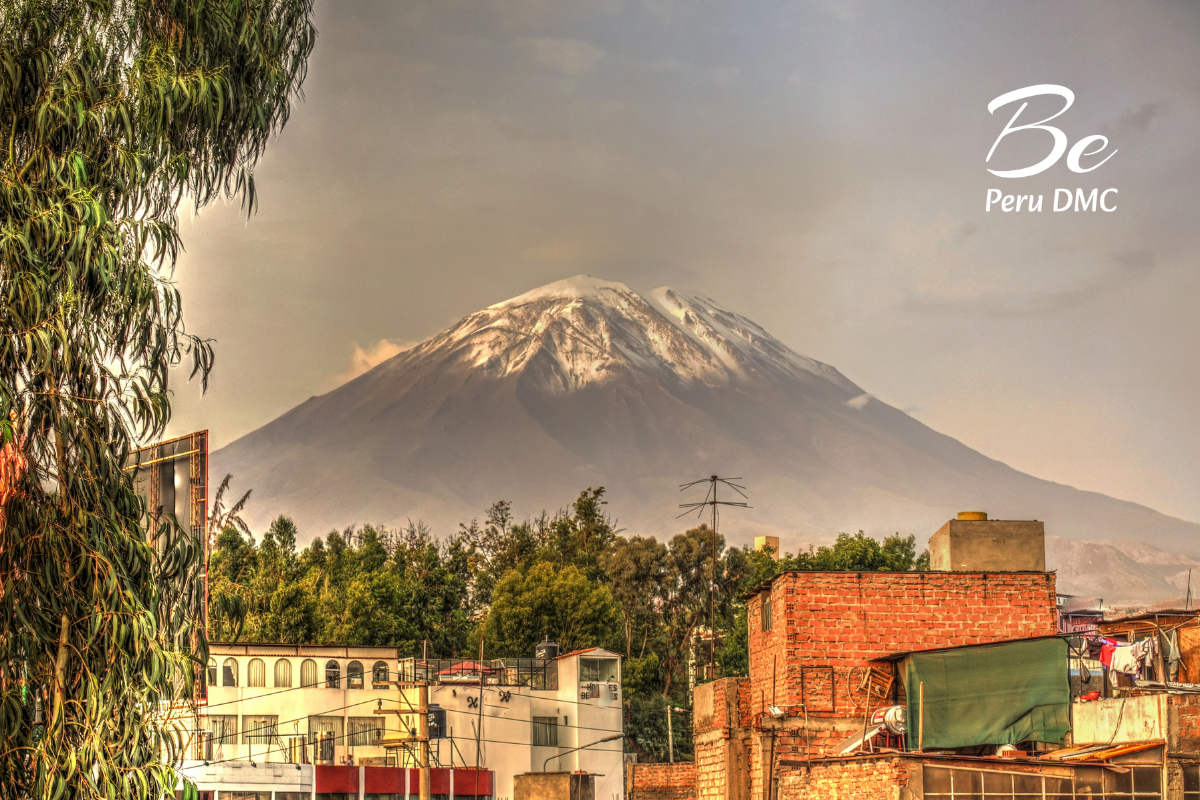
Framed by three dramatic volcanoes and built largely from brilliant white sillar volcanic stone, Arequipa is widely known as the "White City" (Ciudad Blanca). As Peru's second-largest city, it offers a sophisticated blend of colonial history, vibrant culinary traditions, and direct access to the spectacular wilderness of Colca Canyon. The elegant architecture and temperate climate make it a vital stop for comprehensive Andean itineraries.
Frequently Asked Questions
How do travelers reach Arequipa?
Most visitors arrive via a 90-minute domestic flight from Lima to Alfredo Rodríguez Ballón International Airport. Overland bus routes from Lima (approximately 16 hours) or Cusco (approximately 10 hours) offer comfortable, highly scenic alternatives, with many premium operators providing full flat-bed sleeper seats.
What are the altitude considerations?
Arequipa sits at an elevation of 7,661 feet (2,335 meters). This moderate altitude makes the city an ideal acclimatization stop for travelers arriving from the coastal capital before heading to higher elevations like Cusco, Lake Titicaca, or the Colca Canyon (which exceeds 11,000 feet).
What are the primary historical sites within the city?
The historic city center is a UNESCO World Heritage site anchored by the expansive Plaza de Armas and the towering Basilica Cathedral. The absolute crown jewel is the Santa Catalina Monastery, a sprawling, vibrantly painted 16th-century citadel within the city that housed cloistered nuns for centuries. The Andean Sanctuaries Museum, home to the remarkably preserved Inca ice maiden "Juanita," provides a fascinating look into high-altitude sacrificial history.
How is the excursion to Colca Canyon managed?
Colca Canyon, one of the deepest canyons in the world, is typically explored via a two-to-three-day guided trekking expedition or a scenic driving tour. Most itineraries depart Arequipa well before dawn to reach the Cruz del Condor viewpoint, where travelers gather to watch massive Andean condors ride the morning thermal currents over the canyon walls.
Essential Travel Guide Tips
- Culinary Capital Status: Arequipa is famous for its traditional, lunchtime restaurants known as picanterías. Sampling iconic regional dishes such as rocoto relleno (stuffed spicy pepper), pastel de papa (layered potato and cheese bake), and chupe de camarones (hearty shrimp chowder) is highly recommended.
- Intense Sun Exposure: The city experiences over 300 days of intense, high-altitude sunshine annually. High-SPF sunscreen, polarized sunglasses, and wide-brimmed hats are strictly necessary year-round.
- The Sillar Route: For those interested in the city's unique architectural heritage, guided tours of the active sillar quarries (Ruta del Sillar) provide insight into how the iconic white volcanic stone is traditionally extracted and carved by local masons.
- Volcanic Thermal Baths: The geothermally active region surrounding Arequipa and the Colca Valley is dotted with natural hot springs, such as those in the town of Chivay or Yura. Pack a swimsuit, as these mineral-rich pools offer excellent recovery after a multi-day trek.