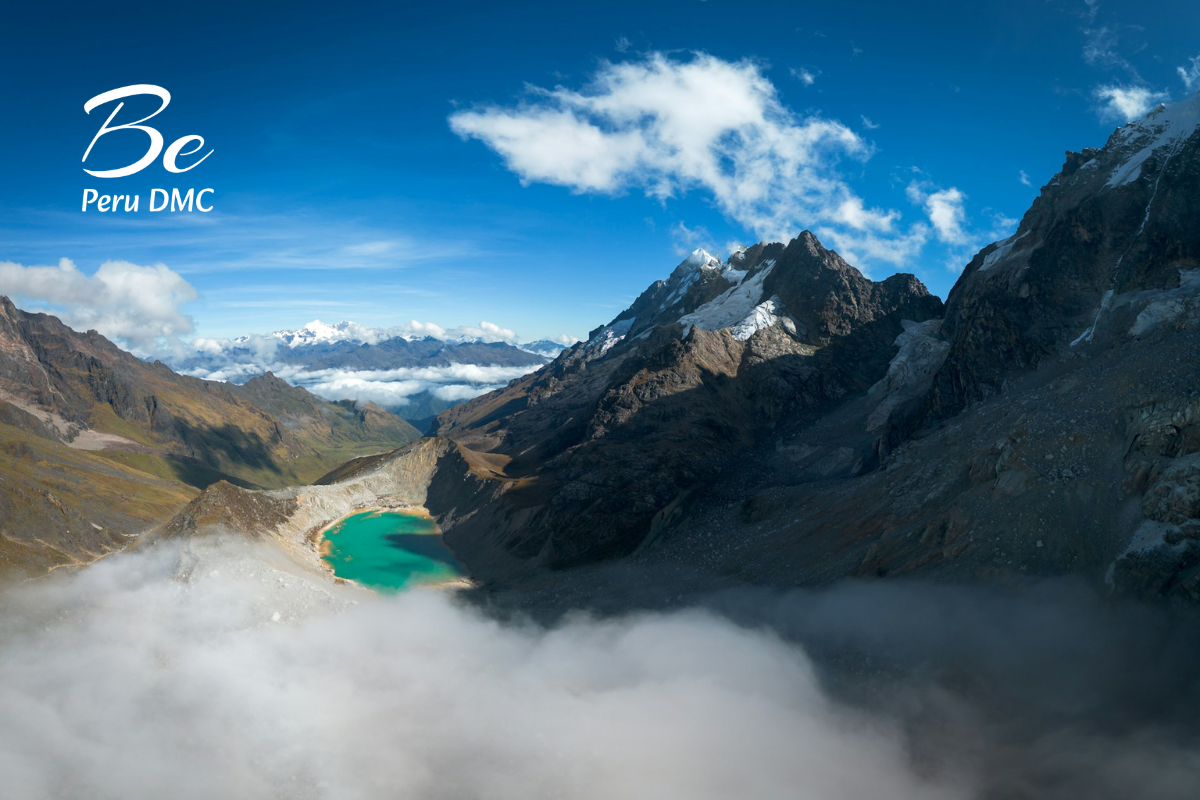
Winding through the dramatic landscapes of the Peruvian Andes, the Salkantay Trek is widely considered one of the most spectacular alternative routes to Machu Picchu. This multi-day expedition takes adventurers from snow-capped peaks and glacial lakes down into the lush, subtropical cloud forest. Ideal for travelers seeking a rugged wilderness experience combined with modern high-altitude glamping, the Salkantay route offers an unforgettable path to the ancient Inca citadel.
Frequently Asked Questions
How difficult is the Salkantay Trek?
The trek is considered challenging, primarily due to the altitude and steep ascents. The highest point is the formidable Salkantay Pass, reaching an elevation of roughly 15,090 feet (4,600 meters). Prior hiking experience and a strong level of physical fitness are highly recommended to comfortably navigate the varied terrain over four to five days.
How does it compare to the classic Inca Trail?
Unlike the classic Inca Trail, the Salkantay Trek focuses more on immense natural landscapes—such as the turquoise waters of Humantay Lake and the towering Apu Salkantay—rather than a string of Incan ruins. Additionally, it does not require the strict, limited permits of the Inca Trail, making it an excellent option for last-minute itinerary planning.
What type of accommodation is available?
Accommodations along the route have evolved significantly. While traditional tent camping remains popular, many routes now feature premium high-altitude glamping experiences. Trekkers can sleep in insulated geodesic domes or glass cabins with views of the starry Andean sky, often complete with comfortable beds and hot showers at designated campsites.
How is the altitude managed?
Proper acclimatization is critical. Spending a minimum of two to three days in Cusco or the Sacred Valley prior to the trek allows the body to adjust. On the trail, ascending slowly, staying hydrated, and drinking traditional coca tea are effective strategies. Expedition teams are also equipped with oxygen and first-aid kits for emergencies.
Essential Travel Guide Tips
- Strategic Packing: The journey traverses freezing alpine passes and humid jungle environments. A comprehensive layering system, a high-quality four-season sleeping bag, and well-broken-in waterproof trekking boots are non-negotiable.
- Mules and Porters: Pack animals are commonly used on the Salkantay route to carry the bulk of camping equipment and personal duffel bags, leaving trekkers free to hike with just a lightweight daypack.
- Optimal Season: The optimal window for completing the Salkantay Trek aligns with the Andean dry season, spanning from May to October, when the skies are clearest and the trails are less prone to mud and landslides.
- The Final Stretch: The trek typically concludes in the town of Aguas Calientes, allowing for a restful night in a hotel before ascending to Machu Picchu early the following morning for a guided tour of the ruins.
Related Articles
Machu Picchu: FAQ and Travel Guide
Choquequirao: FAQ and Travel Guide